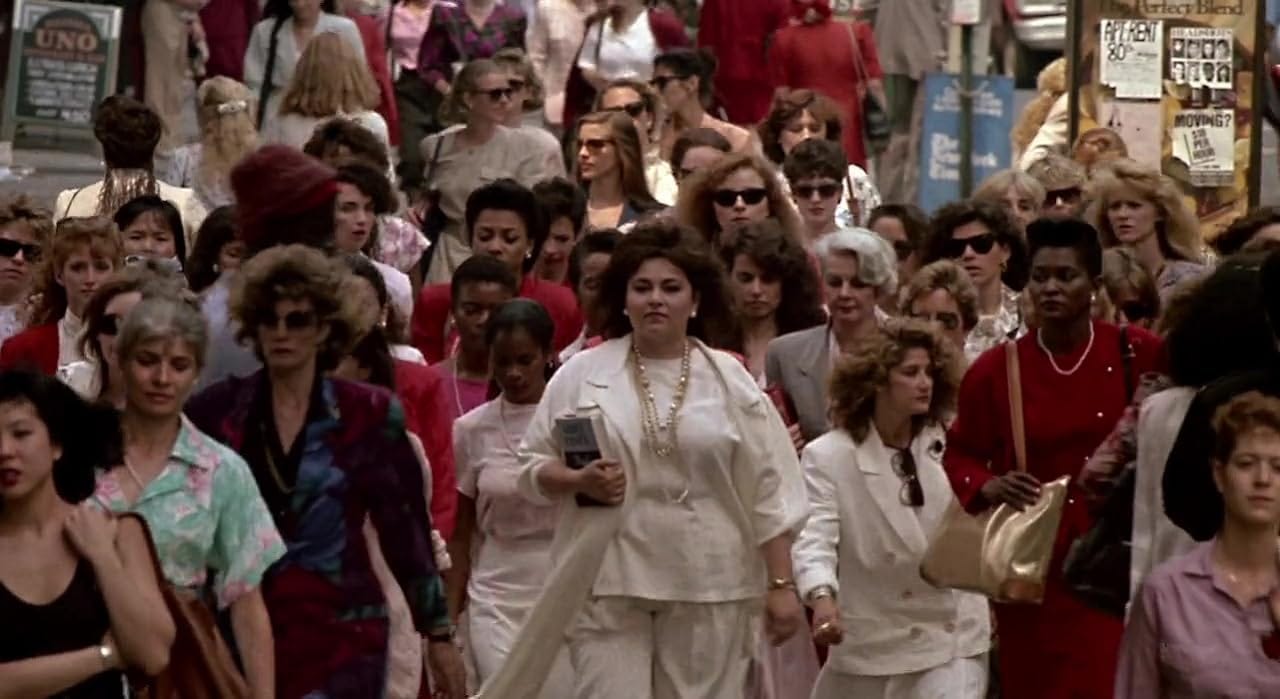
She-Devil (1989)
Madonna-mistress complex in the age of assets and liabilities

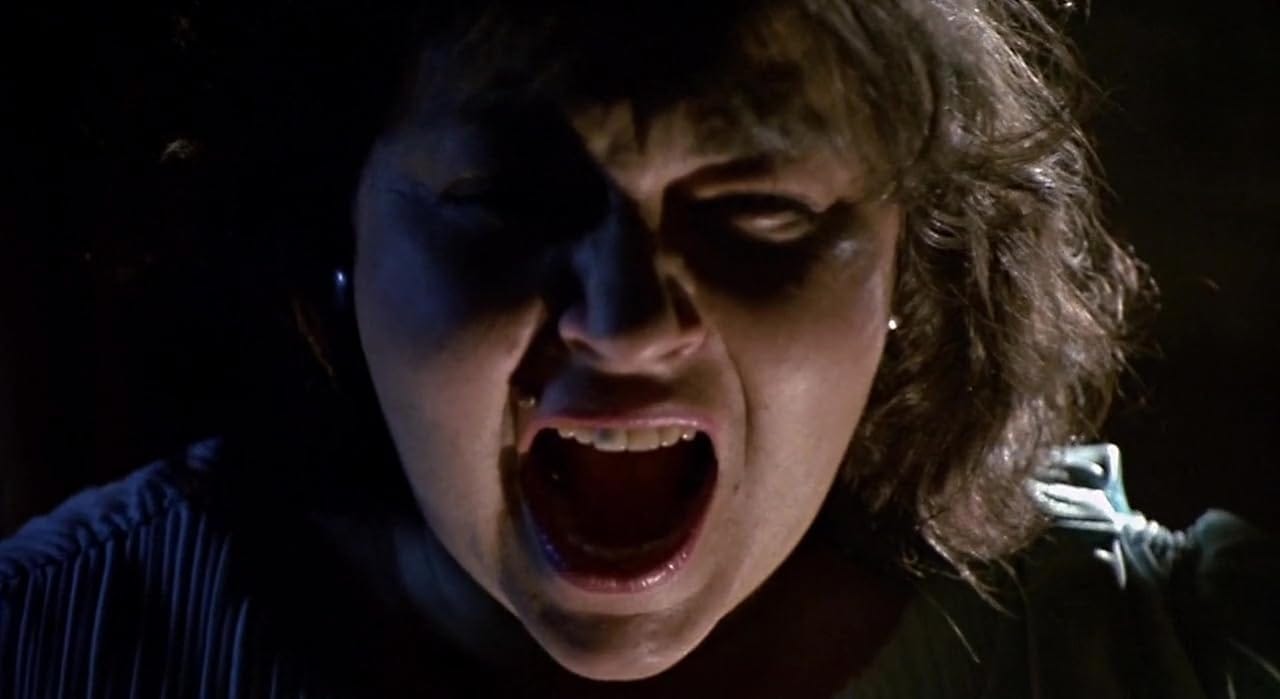
Roseanne Barr’s debut film She-Devil released in 1989 is a black-comedy, co-starring Meryl Streep and directed by Susan Seidelman. She-Devil is a rare 80’s gem with women at the forefront as acting leads, the director’s chair, and original writer. Preceding the 1996 cult classic First Wives Club, She-Devil delivers laughs as well as a subtle underlying commentary on how women usually get the short end of the stick when it comes to love and marriage that still rings true today.
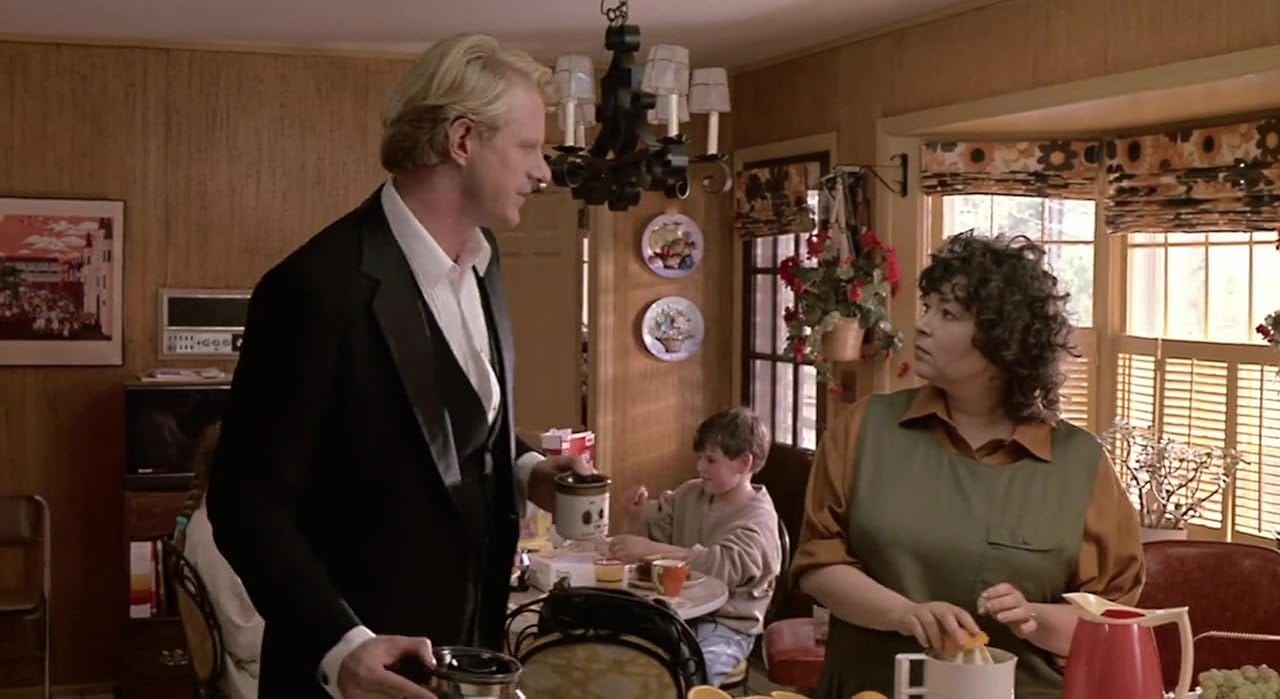
Barr’s character, Ruth Pratchett, is an overweight housewife raising two children with her husband Bob, an accountant with a wandering eye. When Bob meets the rich and beautiful romance novelist Mary Fisher, played by Meryl Streep, he begins an affair that will ultimately become his undoing. Bob begins living out his wildest sexual fantasies in a dreamy pink mansion with manicured gardens while his wife Ruth struggles to take care of their home and family with her husband always out “working late.” Ruth may be frumpy, but she is no fool. She knows her husband is having an affair and redoubles her efforts to win him back, but Bob’s hate towards his wife grows with every dalliance he has with the seemingly perfect Mary. He ridicules his wife mercilessly after Ruth fails to cook an edible meal, his own mother imploring him to be more kind for the sake of the children. Bob lectures Ruth, saying “Life is made up of assets and liabilities. As a man I have four basic assets: one, a home, that is my castle; two, a family that is loving and devoted; three, a successful career that I worked very hard to maintain; and four, the freedom to enjoy the fruits of my labor. But when it comes to liabilities, I have only one. That's you, Ruth!”
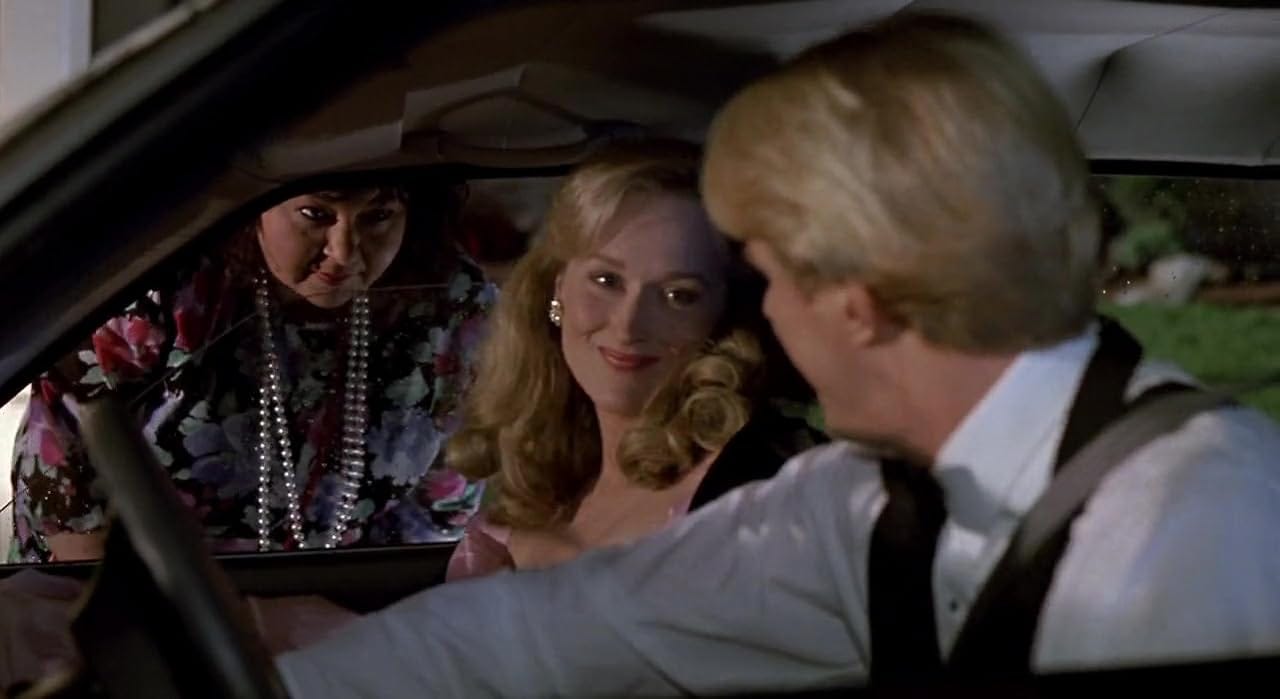
With his ridiculing lecture, Bob has revealed everything he values in life and Ruth takes careful notes as she works to destroy all four assets he holds dear: home, family, career and freedom. As Bob packs his suitcase and leaves for Mary’s mansion, Ruth wastes no time getting to work on destroying asset number one: their house in the suburbs. While the children are at school, she blows up their family home then collects the children and drops them off at Mary’s mansion, ruining Bob and Mary’s torrid love affair. Bob runs after Ruth, imploring her to come back for her children. He asks where she is going and Ruth replies, “I don't know, Bob, into my future, I guess.”
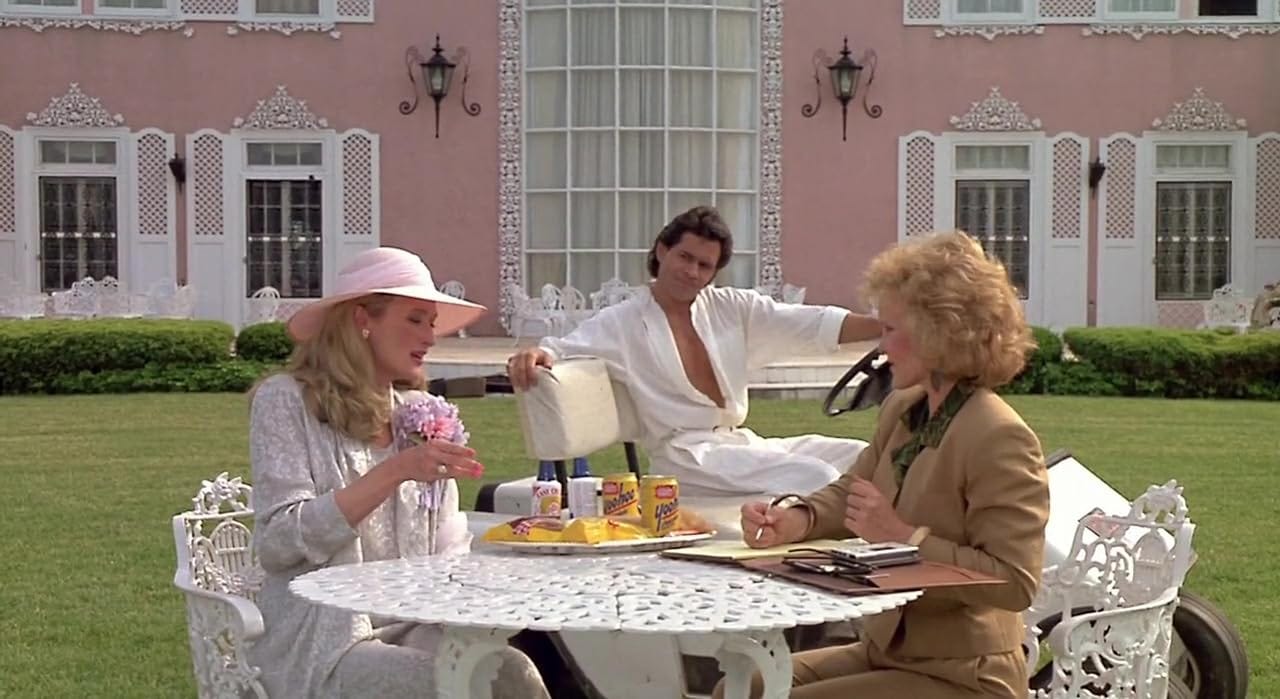
This is where the film takes an interesting turn and explores Freud’s Madonna-mistress complex. Ruth has rejected the role of Madonna, the virtuous self-sacrificial mother role, and now Mary must transition from mistress to the same fate as Ruth as she starts taking over the responsibility of caring for Bob’s children. Mary had indulged in her role as the mistress and ridiculed Ruth, believing that Bob stayed with Ruth out of pity when the reality was he depended on Ruth for her free domestic labor such as housework, cooking and childcare. Mary Inman wrote in The Role of the Housewife in Social Production published in 1940, “the labor of a woman, who cooks for her husband, who is making tires in the Firestone plant in Southgate, California, is essentially as much a part of the production of automobile tires as the cooks and waitresses in the cafes where Firestone workers eat.… [T]heir labor is as inseparably knit into those tires as is the labor of their husbands.” Ruth was an essential part of Bob’s success as an accountant and the mother of his children, yet he coveted the women he found aesthetically desirable, believing another woman would bring him the happiness he deserved. Mary is a woman of wealth and in a much higher class than Ruth yet her success begins to falter as Bob designates the role of Madonna to her. It does speak to the fact that in the home the man is the bourgeois and the woman is the proletariat. In Clara Zetkin’s 1889 speech For the Liberation of Women she says, “The current economic situation is such that neither the capitalist nor the male citizen can do without women's labor. The capitalist must maintain it in order to remain competitive and the male citizen counts on it if he plans to establish a family...The emancipation of women as well as all of humankind will only occur within the framework of the emancipation of labor from capital. Only within a socialist society will women as well as workers attain their full rights.”
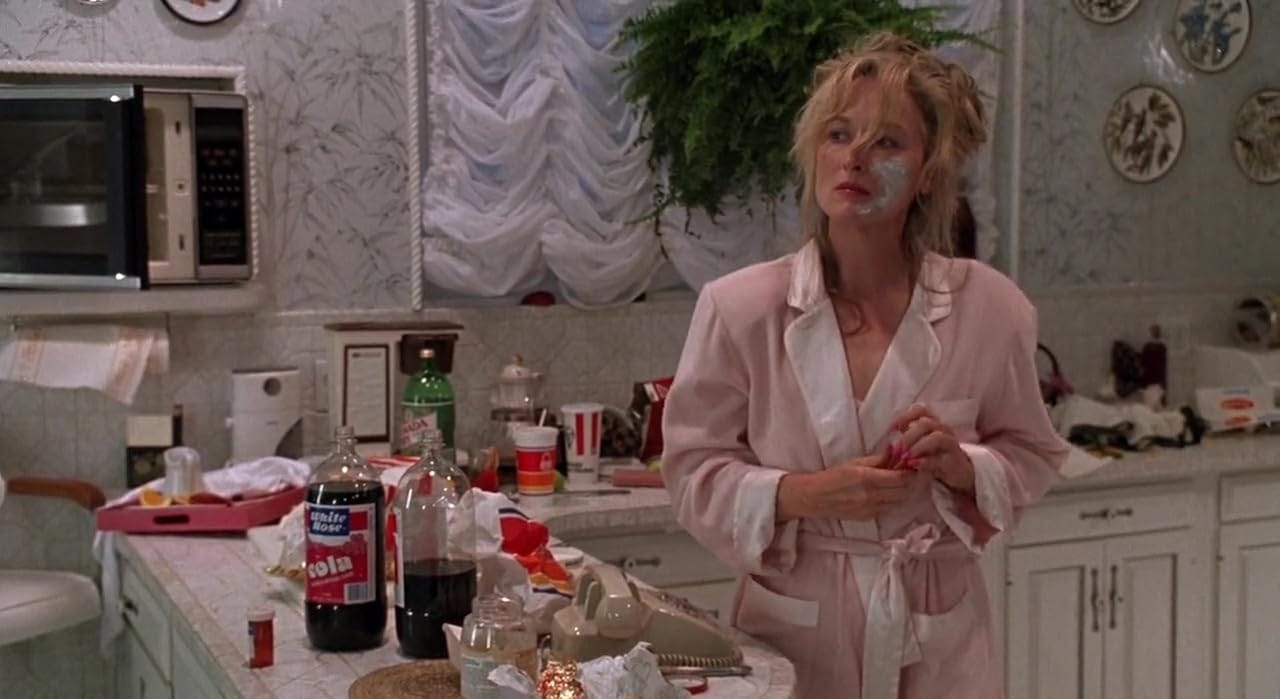
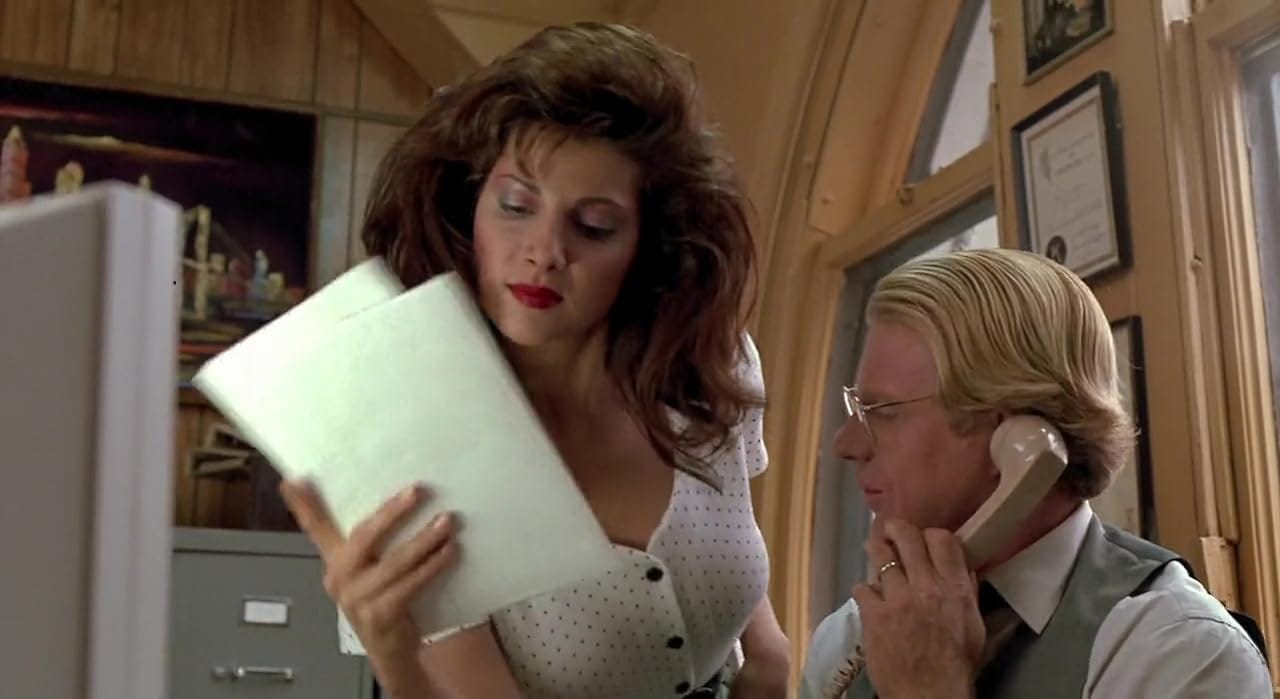
Just as Bob grew tired of his wife Ruth, he quickly turns cold from Mary as soon as a new pretty secretary walks into his office and he begins yet another affair, never finding long-lasting contentment with any of the women he sleeps with. Mary is overwhelmed by the Madonna role, frantically trying to write her new novel while taking care of two children and the housework as even her maid quits saying, “I took this job because I only had to cook and clean for one person and one dog. Then I get the mother, the lover, his kids, and their dog. Miss Fisher, up with this bullshit I will not put. I quit!” The maid, who makes a wage, will not even bother to clean up after Bob’s messy life as Mary runs herself ragged, making her new novel a flop because she will not take off her rose-colored glasses and see Bob for who he truly is: a womanizer who runs away from his familial responsibilities.
The Madonna-mistress complex pits women against each other, creating female rivalry when women should be realizing we share the same fate under the patriarchal capitalist system. Not only is it harmful to women, it also harms men who cannot create and sustain happy, sexual relationships with their girlfriends or wives. Seeing women as parts and not as whole, functioning human beings with lives and feelings is detrimental to the whole of society. While She-Devil at its core is a silly eighties movie about a wife getting revenge on her cheating husband, this film strikes a chord with every woman who has fallen victim to providing free domestic labor to an unfaithful partner.